Contact us
Get Free Advice Online
We will provide you with free advice based on your case details. Fill out the form below to get started!

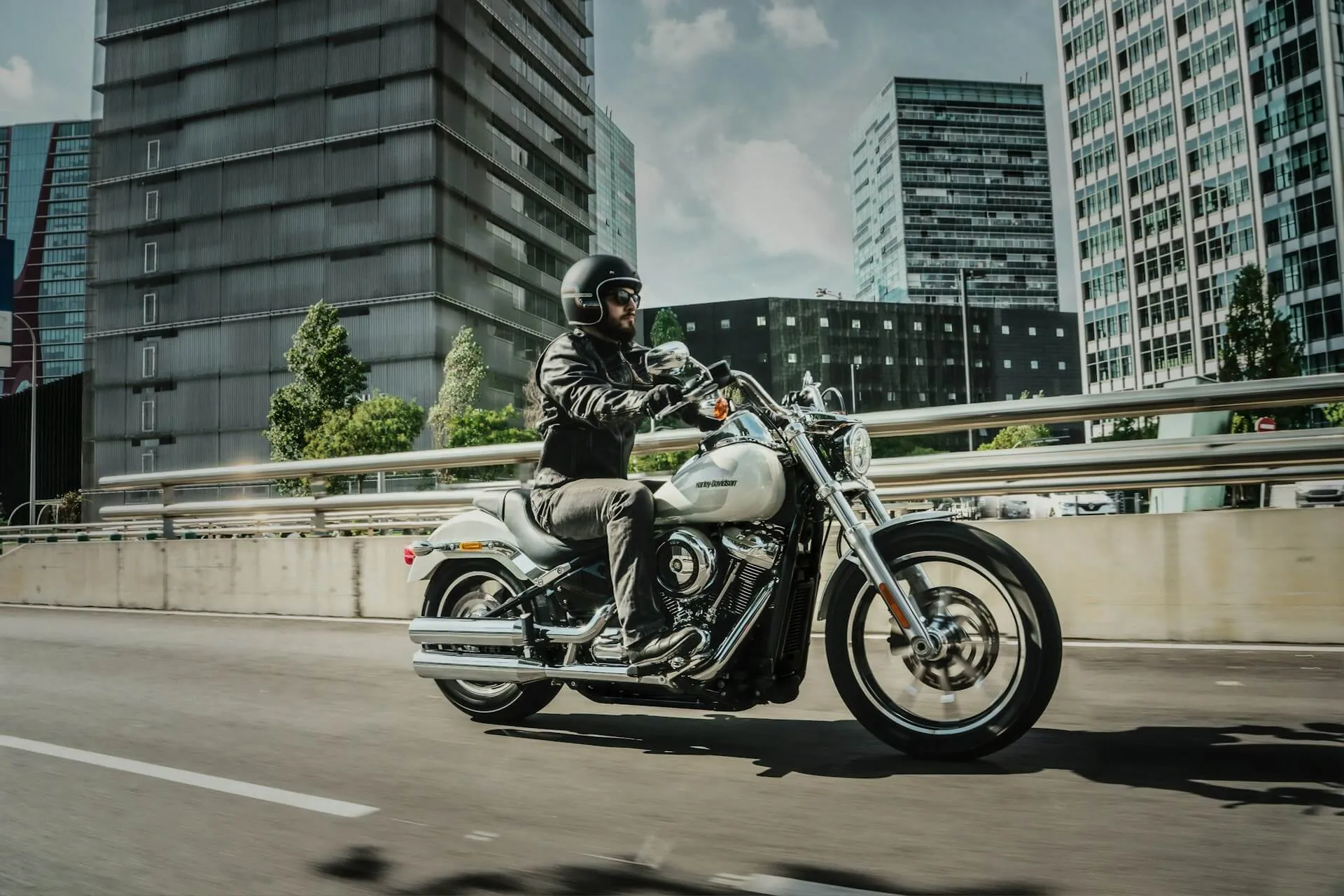
If you were hurt in a New York motorcycle crash, you can pursue compensation from the driver or other parties responsible for your injuries, but the process works differently than a typical car accident claim. Unlike occupants of a passenger vehicle, motorcycle riders and passengers are generally excluded from New York’s no-fault insurance benefits, which means your path to covering medical bills and lost income often depends on establishing fault from the start.
At Ajlouny Injury Law, we help injured riders and passengers understand what this distinction means for their case, identify every available source of compensation, and build a claim that accounts for the full scope of their injuries.
If you or a loved one was hurt in a motorcycle accident, call (516) 535-5555 to talk with our team about your options.
New York’s no-fault system generally requires auto insurers to pay medical expenses and a portion of lost wages to injured occupants of a car, regardless of who caused the crash. Motorcycles are treated differently. Under New York’s no-fault exclusion for motorcycles, riders and passengers typically do not have access to first-party no-fault benefits the way a car occupant would.
Some riders carry optional medical payments coverage or supplemental health and accident coverage on their motorcycle policy, and many rely on personal health insurance to cover initial treatment, sometimes subject to a lien if you later recover compensation from the at-fault party.
Because there is no automatic no-fault payout to fall back on, identifying every applicable insurance policy early, including your own motorcycle policy, the other driver’s liability coverage, and any underinsured or uninsured motorist coverage, is one of the most important steps in a New York motorcycle case.
Regardless of how your medical bills get paid in the short term, you retain the right to pursue the party or parties whose negligence caused your injuries.
That includes the right to:
Insurance adjusters sometimes move quickly after a motorcycle crash, in part because riders are often viewed as more likely to accept an early offer. Speaking with a New York motorcycle accident lawyer before you sign anything can help protect your right to fair compensation.
Call Ajlouny Injury Law today at (516) 535-5555 to get the help you deserve.
The steps you take immediately after a crash, and in the days that follow, can shape the strength of your claim.
In the days that follow:
Before repairing, disposing of, or allowing your motorcycle to be sold for salvage, have it inspected and photographed. The condition of your bike, helmet, and riding gear can offer physical evidence of impact angle, speed, and visibility at the time of the crash. Once that evidence is repaired away or discarded, it generally cannot be recovered.
Motorcycle crashes frequently produce injuries that worsen or become more apparent over the following days and weeks, including head trauma, road rash, fractures, internal injuries, spinal injuries, and psychological symptoms such as anxiety around riding or driving. Any new or worsening symptom should be evaluated by a medical provider, since only a treating physician can properly diagnose and document these conditions.
While the other motorist involved in the collision is often the focus of a claim, several other parties may share responsibility depending on the facts of your crash, including:
Certain driver behaviors show up repeatedly in motorcycle crash investigations, such as unsafe left turns across a rider’s path, abrupt lane changes, opening a car door into traffic, following too closely, distracted driving, and failing to yield the right of way.
None of these behaviors automatically proves negligence on their own. Each has to be tied to the specific facts of your crash through evidence and investigation.
Building a strong motorcycle claim typically involves gathering several categories of evidence, including traffic and surveillance video, event data recorder information from involved vehicles, cell phone records, eyewitness statements, 911 call audio, vehicle inspection findings, medical documentation establishing causation, and, in more serious cases, testimony from accident reconstruction or medical experts.
Depending on the severity of your injuries, damages in a New York motorcycle case may include:
For riders facing life-altering harm, Ajlouny Injury Law’s catastrophic injury attorney team, along with attorneys handling spinal cord injury and head and brain injury cases, can help evaluate the full long-term impact of your injuries. Families who have lost a loved one in a motorcycle crash may also want to speak with our wrongful death team.
Insurance companies frequently raise comparative negligence arguments in motorcycle cases, sometimes pointing to lane splitting, speed, or helmet use as reasons to reduce a settlement. A traffic citation or a helmet-related argument does not automatically bar you from recovering compensation, but these issues can affect the value of a claim depending on how New York law applies to your specific circumstances. An attorney can help evaluate how these defenses may actually apply to your case.
New York law imposes strict deadlines on personal injury claims, and motorcycle cases can involve additional timing considerations depending on who is involved:
Because these deadlines vary based on the parties involved and the specifics of the crash, it’s important to speak with an attorney as soon as possible after your accident to make sure nothing is missed.
After a motorcycle crash, the choices you make in the first hours and days can affect the strength of your claim for months to come. Preserving your motorcycle, helmet, and gear, documenting your injuries as they evolve, and identifying every party and insurance policy that may be involved all matter more in a motorcycle case than in an ordinary car accident claim.
Our team can help investigate liability, locate every available policy, and pursue the compensation you deserve. Contact Ajlouny Injury Law or call (516) 535-5555 today to talk about your case.
Yes. A passenger injured in a motorcycle crash may be able to pursue a claim against the driver of the motorcycle, another motorist, or another negligent party, depending on how the crash occurred.
New York’s serious-injury threshold applies to certain no-fault claims involving covered vehicles. Because motorcycle riders and passengers are generally excluded from no-fault benefits in the first place, how this threshold applies to a rider’s case can differ from how it applies to a car occupant’s case. An attorney can walk you through how it applies to your specific situation.
If the at-fault driver left the scene or did not have insurance, you may still have options through uninsured or underinsured motorist coverage, whether on your own policy or another applicable policy. Identifying which coverage may apply requires a review of the available policies connected to your crash.