Contact us
Get Free Advice Online
We will provide you with free advice based on your case details. Fill out the form below to get started!

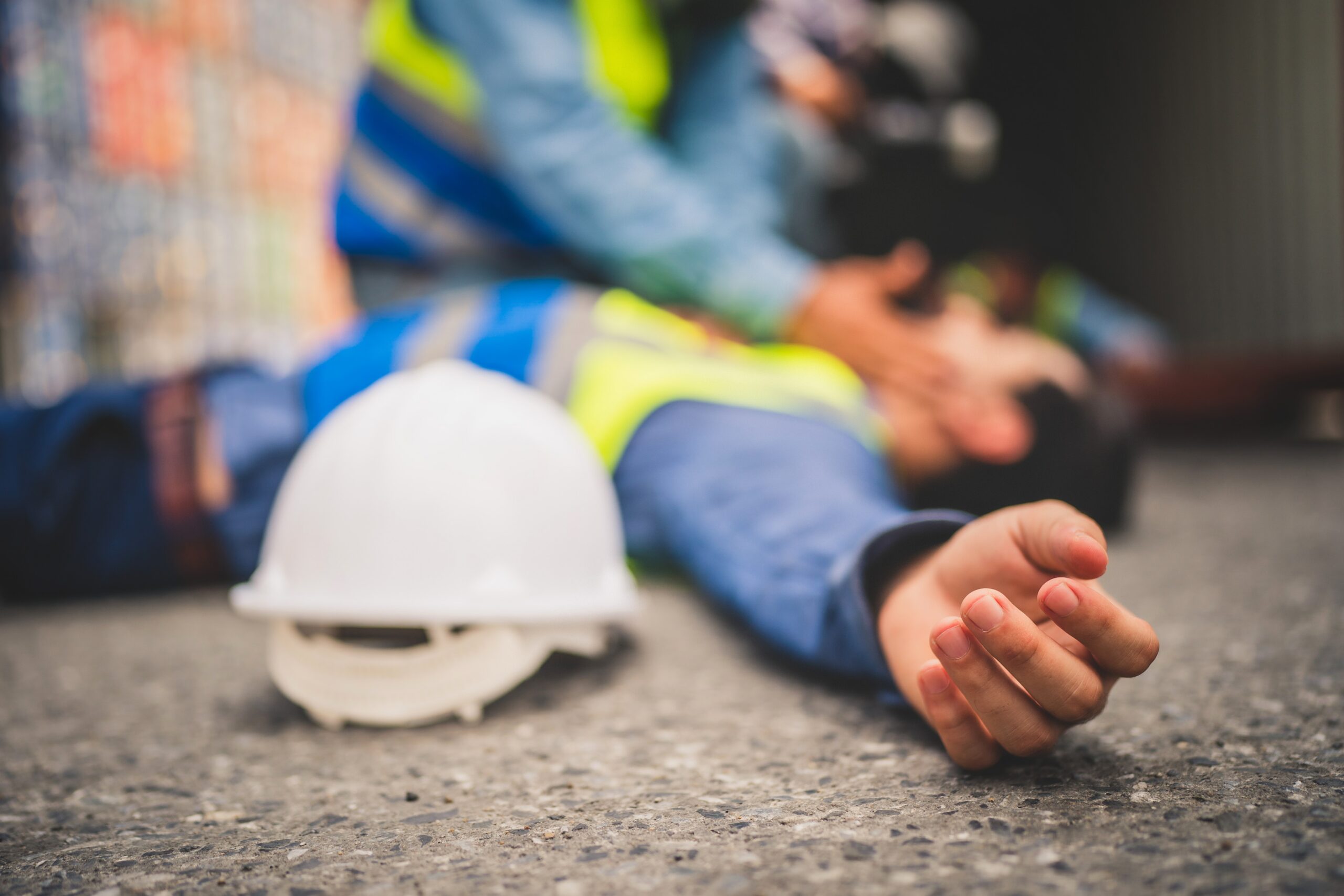
Construction sites are among the most dangerous workplaces in New York. Between crowded urban job sites, heavy machinery, elevated work, and tight deadlines, even a routine day can turn into a serious injury in seconds. If you were hurt on the job, the steps you take in the hours and days that follow can protect both your health and your right to compensation.
This guide walks construction workers, contractors, subcontractors, day laborers, union members, and delivery workers through exactly what to do after a construction accident in New York, how workers’ compensation and third-party claims differ, and when it makes sense to speak with an attorney.
What you do immediately after an accident can shape everything that follows, from the quality of your medical recovery to the strength of any injury claim. Here are the steps that matter most.
Your health comes first. Call 911 or get to an emergency room right away, even if your injuries feel minor. Some serious conditions, including internal bleeding, concussions, and spinal injuries, may not show symptoms until hours or days later. Prompt treatment also creates an official medical record that connects your injury directly to the accident.
Notify your employer, foreman, or site supervisor as soon as possible. In New York, you generally must report a workplace injury to your employer in writing within 30 days to preserve your workers’ compensation rights. Ask that an incident report be created, and request a copy for your own records.
If you are physically able, take photos or video of the area where you were hurt. Capture the equipment involved, any hazards such as missing guardrails or wet surfaces, defective tools, and the overall conditions. Construction sites change quickly, and evidence can disappear within days, so early documentation can be critical.
Write down the names and contact information of anyone who saw the accident. On multi-employer job sites, it also helps to note which companies were present, including general contractors, subcontractors, and equipment suppliers. This information can matter later when determining who may be responsible for your injuries.
Start a folder for everything related to your accident: medical bills, doctor’s notes, the incident report, pay stubs showing lost wages, and any correspondence with your employer or insurers. Organized records make it far easier to pursue the full compensation you may be owed.
Insurance adjusters may contact you soon after the accident and ask for a recorded statement. These calls often sound friendly, but their goal is frequently to limit what the company pays. You are not required to give a recorded statement or accept an early settlement, and it is wise to speak with an attorney before you do.
Workers’ compensation provides medical coverage and partial wage replacement regardless of who caused the accident, but it does not pay for pain and suffering, and it generally prevents you from suing your direct employer. A third party construction accident claim is different: if someone other than your employer, such as a property owner, general contractor, or equipment manufacturer, contributed to your injury, you may be able to file a personal injury lawsuit for additional damages on top of your workers’ compensation benefits.
New York has some of the strongest worker protection laws in the country. Three sections of the Labor Law are especially important for injured construction workers.
Section 200 is a general safety statute. It requires owners and contractors to provide a reasonably safe work environment. If a dangerous condition or unsafe work method caused your injury and the responsible party knew or should have known about it, Section 200 may apply.
New York Labor Law § 240 addresses elevation-related risks such as falls from scaffolds, ladders, and roofs, as well as injuries from falling objects. It places strict responsibility on owners and contractors to provide proper safety equipment. Because this law can impose near-absolute liability in qualifying cases, it is one of the most powerful tools available to injured workers.
New York Labor Law § 241 sets specific safety requirements for construction, excavation, and demolition work. It requires compliance with detailed rules under the New York State Industrial Code, and violations can serve as strong evidence of negligence in an injury claim.
Injuries on New York job sites take many forms. You can learn more about construction safety standards through the NYC Department of Buildings, but some of the most common accidents include the following.
Falls remain a leading cause of construction deaths and serious injuries. Missing guardrails, unstable scaffolding, and inadequate harnesses often play a role. OSHA’s fall protection standards exist to prevent exactly these incidents.
Tools, materials, and debris falling from height can cause severe head, neck, and back injuries, particularly on crowded urban sites where work happens on multiple levels at once.
Heavy machinery poses serious dangers when it is poorly maintained or improperly operated. If you were hurt by a crane, an experienced crane accident lawyer can help investigate what went wrong. The same is true after equipment collisions, tip-overs, and crush injuries, where a forklift accident attorney may be able to identify a liable party.
Contact with live wires, faulty wiring, and unmarked power sources can cause electrocution, cardiac injuries, and serious burns.
Collapses and cave-ins during excavation and demolition work can be catastrophic, often involving crush injuries and suffocation risks that require immediate rescue.
Welding work involves intense heat, flammable materials, and toxic fumes. If you suffered welding accident injuries, you may face burns, respiratory damage, and eye injuries that require long-term care.
Liability on a construction site is rarely simple. Depending on the circumstances, responsible parties may include the property owner, the general contractor, subcontractors, equipment manufacturers, maintenance companies, or engineers and architects. Because multiple companies often share a single job site, identifying every potentially liable party is a key part of building a strong claim, and it can significantly affect the compensation available to you.
The compensation you may recover depends on the type of claim and the severity of your injuries. Workers’ compensation typically covers medical treatment and a portion of lost wages. A third-party lawsuit may allow you to recover additional damages, including full lost earnings, future medical costs, pain and suffering, and reduced earning capacity.
Serious injuries such as spinal cord damage, traumatic brain injury, amputations, or severe burns may support a catastrophic injury claim that accounts for a lifetime of care. When a construction accident results in the loss of a loved one, surviving family members may be able to pursue a wrongful death claim for funeral costs, lost financial support, and other losses.
A few common missteps can weaken your claim or reduce what you recover. Try to avoid the following:
Recovering after a construction accident is hard enough without fighting insurance companies on your own. The New York construction accident lawyers at Ajlouny Injury Law investigate what happened, identify every responsible party, handle communications with insurers, and pursue the full compensation you may be entitled to under New York law.
If you or a loved one was injured on a construction site, you do not have to navigate the process alone. Contact Ajlouny Injury Law today or call (516) 535-5555 for a free consultation to discuss your rights and options.